September 14, 2026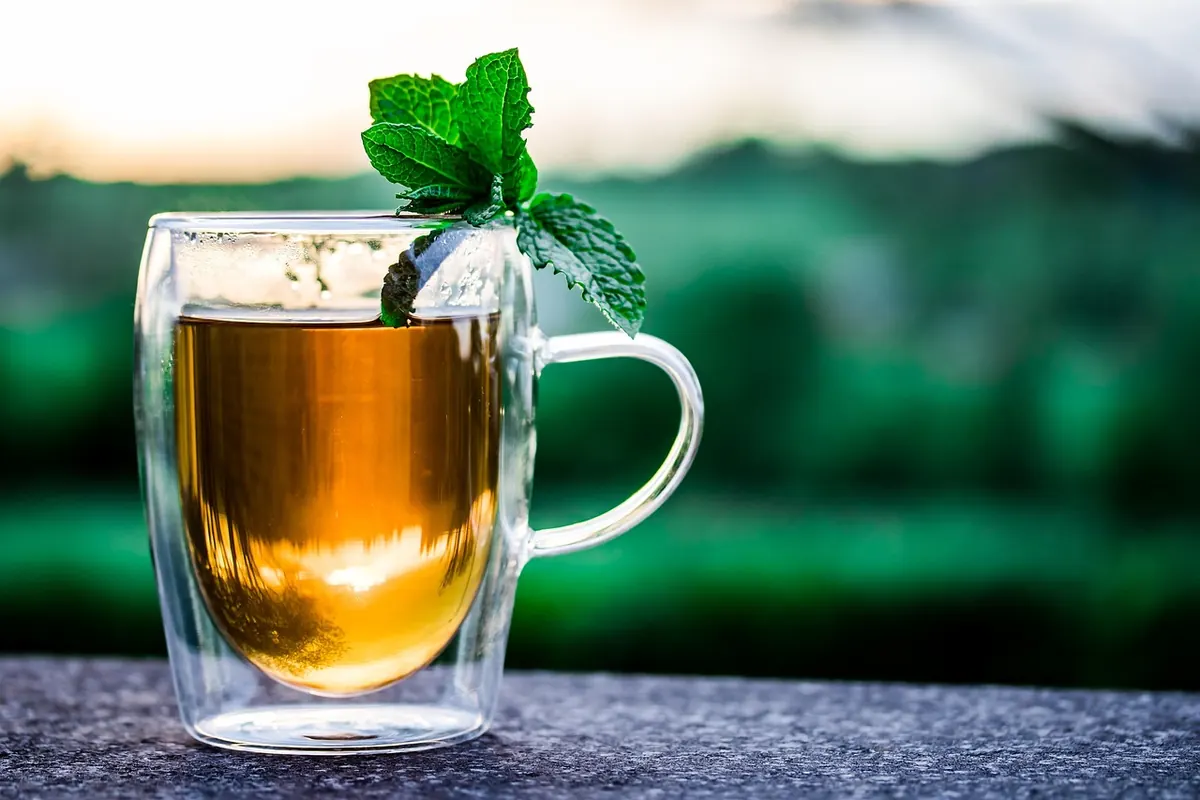
You do not need a teapot to drink good loose leaf tea. A mug, a spoon, and a kettle will get you most of the way, and people have been brewing tea in whatever vessel was within reach for centuries. What decides whether the cup tastes sweet or bitter is not the pot — it is the amount of leaf, the temperature of the water, and how long the two stay together.
Below are five setups you can assemble from ordinary kitchen things, roughly from simplest to most involved. Pick one, brew a cup tomorrow morning, and adjust from there. Gear can come later.
Three Things That Matter More Than the Vessel
Get these roughly right and almost any brewing method will produce a decent cup. Get them wrong and the fanciest teapot in the shop will not save you.
- Leaf amount. Start with about 2 to 3 grams per 250 ml of water, which is a heaped teaspoon of most loose leaf. Balled or rolled oolongs are heavier than they look, so a level teaspoon of those goes further. If you own a small kitchen scale, use it for a week — your eye will calibrate fast.
- Water temperature. Boiling for black tea, pu-erh, and most herbals. Around 80°C for green and white, and 85–95°C for oolong. No thermometer? Boil the kettle, then let it sit about two minutes for green tea or under a minute for oolong.
- Time. Two minutes for green and white, three to four for black, three to five for oolong, five or more for herbals. Taste at the early end of the range and decide.
Bitterness is usually a timing problem, not a leaf problem. Shorten the steep before you change anything else.
Method 1: The Mug and a Spoon
Put the leaf directly in your mug, pour the water over it, stir once, and wait. Most whole leaf will sink on its own; a few floaters can be nudged down with the back of a spoon or simply avoided as you drink. This works beautifully with large, intact leaves — a whole-leaf oolong, a big silver-needle white, a full-leaf black. It is a poor fit for finely broken leaf or herbal blends full of dusty bits, which will keep drifting into your mouth.
Keep a small bowl nearby for spent leaves and tip the last centimetre of tea away rather than drinking the sludge. It is the least fussy method there is, and for many people it becomes the default.
Method 2: The Sieve and Two Mugs
Brew in one heatproof mug or jug, then pour the finished tea through a fine-mesh sieve into a second mug. That is the whole trick: the brewing vessel and the drinking vessel are separate, so the leaf stops steeping the moment you pour.
- Preheat the second mug with a splash of hot water so the tea does not cool on contact.
- Steep in the first mug for your chosen time.
- Set the sieve over the second mug and pour steadily, holding the sieve low to avoid splashing.
- Tilt the brewing mug at the end so the last of the liquid drains off the leaf instead of sitting in it.
Check your sieve before you commit. A coarse one with wide holes will let fine particles straight through; a fine tea strainer or a small mesh sieve meant for baking works better.
Method 3: The French Press
A French press is a perfectly good tea brewer and probably already in your kitchen. Add leaf, pour water, stir, and time it. Then plunge slowly and pour every drop out into a mug or a second jug — do not leave tea sitting on the leaves in the press, because it keeps extracting and turns harsh within a few minutes.
The mesh catches most leaf but lets some fine particles through, so expect a slightly cloudy cup. This method suits rooibos, herbal blends, and sturdy black teas especially well. Rinse the mesh promptly afterward; dried leaf clogging the filter is annoying to remove later.
Method 4: The Mason Jar
Two uses here. For hot tea, pour your water into the jar, steep, then strain through a sieve into a mug. For cold brew — the easiest way to make tea in summer — add roughly a tablespoon of leaf per cup of cold water, or about 10 to 15 grams per litre, and leave it in the fridge for eight to twelve hours. Strain and drink. Green, white, and oolong teas cold brew into something smooth and almost sweet, with none of the astringency you get from a rushed hot steep. It keeps for two or three days in the fridge.
One caution: if the jar has just come out of the fridge, let it reach room temperature before adding near-boiling water. Glass does not enjoy a sudden temperature swing.
Method 5: The Gaiwan, or Any Small Lidded Bowl
A gaiwan is a small bowl with a lid and a saucer, and it is the cheapest way to gain real control over your brewing. The idea is short steeps and small pours: add leaf, fill the bowl most of the way with hot water, replace the lid, and pour off through the gap within 20 to 30 seconds for the first steep. Each subsequent steep gets a little longer. You will get five to eight good cups from the same leaves this way.
No gaiwan? A small heatproof bowl and your fine sieve do the same job. What matters is that the water leaves the leaf quickly, so nothing over-extracts.
Pick One and Brew Tomorrow Morning
Start with the mug and spoon if you want the fastest possible cup, or the mason jar if you like the idea of tea waiting for you in the fridge. The sieve setup is the most versatile and costs nothing if you already own a strainer. Once you know how you like your tea — how strong, how hot, how long — buying a basket infuser or a gaiwan becomes a small upgrade rather than a guess. And if caffeine keeps you up, remember that shorter steeps and smaller leaf amounts help, while later steeps of the same leaves generally come out gentler.
Fill the kettle. The teapot can wait.
Photo: Myriams-Fotos / Pixabay