September 19, 2026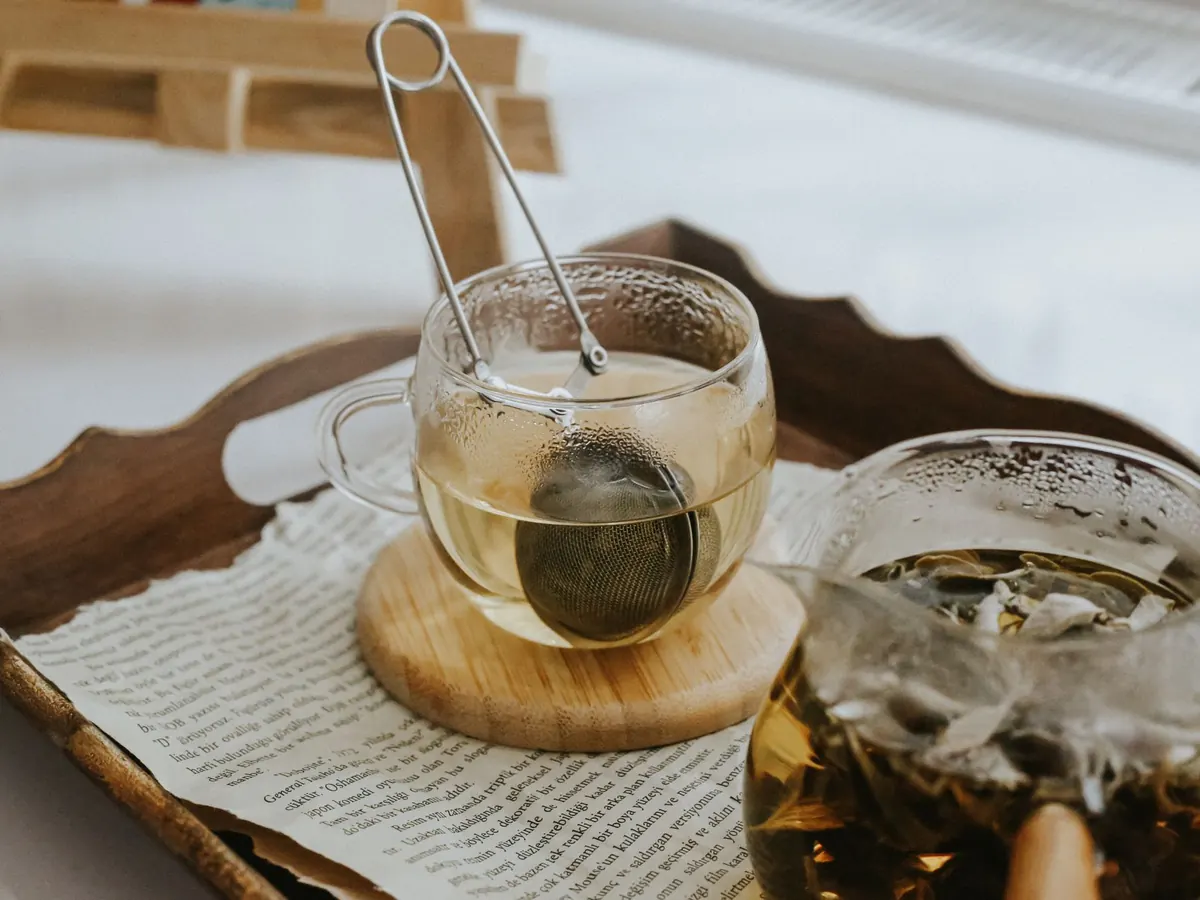
A first tea setup goes wrong in a predictable way. Someone gets curious about loose leaf, wanders into a shop or a marketplace, and comes home with a bamboo tray, a set of tiny tongs, a pot shaped like a fruit, and a tin of tea they do not know how to brew. Two weeks later the tray is holding keys and the pot is on a shelf. The tea was fine, but nothing else got used.
You can avoid that. Spend the first $75 on a small number of things that earn their place on the counter, and let the rest wait until you know what you actually enjoy drinking. Here is the order that works, with rough price bands so you can plan.
Start With the Tea, Not the Gear
Gear does not make flavor. It removes obstacles. Leaves do the flavor, so most of your first budget should go to leaves.
Buy small amounts of three or four different teas rather than one big bag. A green, a black, an oolong, and something aged or roasted will teach you more in a month than 250 grams of a single tea ever could. Look for 25- to 50-gram packets from a shop that lists origin and harvest, and expect to spend roughly $20 to $30 on that starter spread.
Two habits help here. First, write the date on each bag; most teas are best within a year, and greens fade faster. Second, keep the bags sealed and away from light, heat, and your spice shelf. Tea absorbs whatever is nearby, which is charming in theory and unpleasant in a cup.
The Essentials, in Priority Order
Work down this list and stop when your budget runs out. Nothing below the last item is required to make good tea this week.
- Loose-leaf tea. Three or four small packets. Roughly $20–$30.
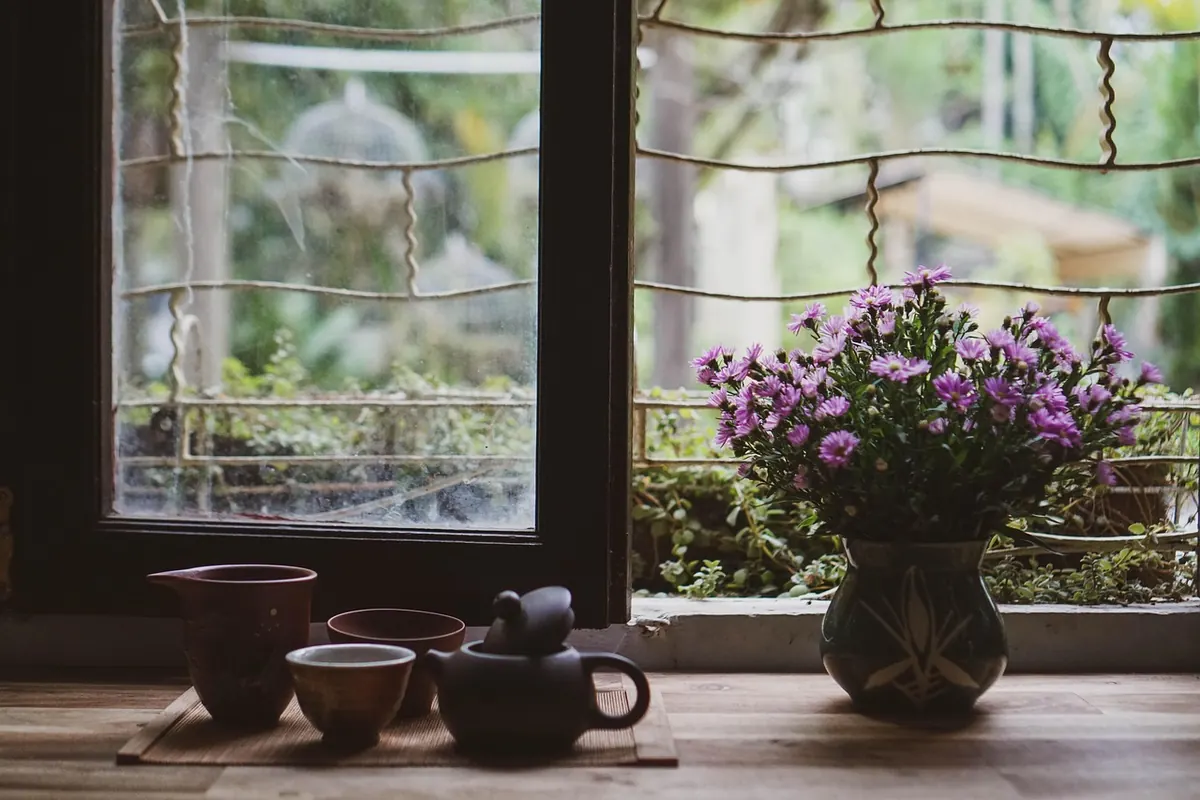
- A brewing vessel. A small teapot with a built-in mesh basket, a gaiwan, or a mug plus a basket infuser. Roughly $10–$25.
- A digital kitchen scale that reads to 0.1 grams. Roughly $10–$15, and the single best value item here.
- A mug or cup you like. You probably own one. $0–$10.
- A small fine-mesh strainer. Catches stray leaf when you pour from a gaiwan or a pot without a basket. Around $5.
- Decent water. Filtered tap is usually fine. If your tap water smells of chlorine or tastes flat, use filtered or low-mineral bottled water.
- A timer. Your phone works. $0.
Choosing the vessel
If you drink alone, a 150–250 ml vessel is right. Big pots encourage you to brew too much tea and let it sit, which is how a good oolong turns bitter. If you are unsure, a mug with a basket infuser is the lowest-risk choice: cheap, easy to clean, and forgiving while you learn.
A gaiwan costs less than most teapots and gives you full control, but it takes a few sessions to stop burning your fingers. That is a fair trade if you are patient.
Why the scale matters more than the pot
Scoops measure volume, and tea leaf density varies wildly. A teaspoon of a tightly rolled oolong can weigh three times what a teaspoon of large-leaf white tea does. Weighing 4 grams instead of guessing is the difference between a cup that tastes the way it did in the shop and one that does not. A $12 scale solves this permanently.
A Realistic $75 Split
Prices vary a lot by country and shop, so treat these as rough bands rather than quotes.
- Tea: $20–$30
- Brewing vessel: $15–$25
- Digital scale: $10–$15
- Strainer: about $5
- Cup or mug: $0–$10
That lands between $50 and $85, which means there is usually room to trim. Skip the strainer if your pot has a basket. Use a mug you already own. Buy two teas instead of four for the first month. The point is to end up with a setup you can brew with tonight, not a perfect one.
Skip These Until Later
None of the following is bad gear. It is just gear that answers questions you do not have yet.
- Temperature-controlled gooseneck kettles. Genuinely useful, especially for green and white tea, but a kettle plus a two-minute rest off the boil gets you most of the way.
- Full gongfu trays and tea tables. They take up space and are hard to clean around, and they solve a mess problem you may never have.
- Yixing clay pots. Lovely, but they are traditionally paired with one tea type, which is a commitment to make after you know your taste.
- Matching sets of six cups. You drink alone or with one other person most days.
- Tea pets, tongs, picks, and scoops. Charming, optional, and easy to collect faster than you collect tea.
- Storage tins. Reuse the bags your tea arrived in until you have enough tea to justify tins.
If a purchase does not change how a cup tastes or how easily you can make one, it can wait a season.
Three Traps That Waste a Beginner's Budget
Buying a starter set. Bundles look efficient, but they usually include two or three items you would never have chosen, and the tea inside is often the weakest part. Buy pieces.
Upgrading before tasting. A new pot will not fix a cup that is bitter because it steeped for five minutes. Change one variable at a time: more leaf, less time, cooler water. Learn what you like first, then buy the thing that makes it easier.
Judging all tea by cheap bags. If your only experience is dusty supermarket bags, drink a properly brewed loose-leaf version of the same style before deciding you dislike green tea or oolong. The difference is often large enough to change your mind.
Your First Week, Step by Step
Set up the essentials, then spend the first week learning instead of shopping.
- Weigh 4 grams of one tea. Note the number on the bag.
- Brew it in your vessel for two minutes at just-off-boiling water. Taste it.
- Brew the same tea again for three and a half minutes. Taste it side by side.
- Write one line about which you preferred and why.
- Repeat with the next tea. Adjust the leaf amount if the cup tastes thin or overpowering.
By the end of the week you will know whether your vessel is awkward to pour, whether your scale is annoying to use, and whether you want a kettle with temperature control. Those answers are worth more than any list, and they turn the last $10 or $20 of your budget into a purchase you will actually keep using.
One practical note: tea contains caffeine, and how much depends on the leaf, the amount you use, and how long you steep it. If you are managing a health condition or taking medication, check with a doctor or pharmacist about what fits your situation.
Photo: betül nur akyürek / Pexels